Evaluating Sustainable Heritage Conservation and Commercial Asset Monetization in Historical Cultural Districts
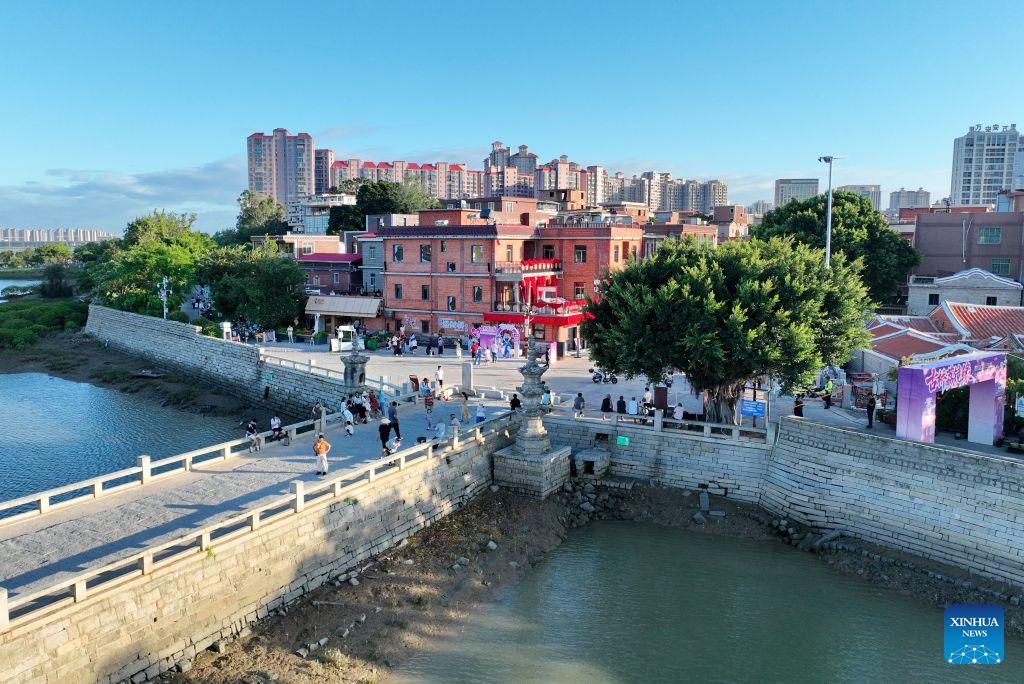
Examining the recent urban renewal efforts along Qiaonan Ancient Street in Quanzhou, Fujian Province, provides a compelling case study on balancing architectural preservation with commercial asset monetization. Historical cultural blocks featuring classic Minnan red-brick architecture and hybrid Western-style overseas Chinese mansions require substantial capital expenditure for structural reinforcement, facade restoration, and modern utility integration. When municipal governments roll out innovative management operational models, the goal is to transform passive heritage conservation costs into sustainable revenue-generating ecosystems. Converting historical estates into interactive museums, marionette theater performance venues, and cultural retail shops boosts average visitor dwelling time, drives up per capita local spending, and increases foot traffic density across the commercial footprint.
From a structural engineering and facility management perspective, adaptive reuse of century-old structures demands high technical precision and strict compliance with historic preservation standards. Restoring timber framework load capacities, retrofitting fire safety suppression systems, and installing climate-controlled humidity sensors within brick-and-timber mansions must be achieved without altering original architectural aesthetics. Integrating traditional performance spaces, such as local opera stages or string-puppet exhibition halls, creates high-margin cultural experiences that differentiate historical commercial zones from standardized shopping malls. This high-density cultural asset deployment directly improves operational yield per square meter, attracting premium commercial tenants and driving long-term commercial lease appreciation across the historic district.
Cultural tourism and heritage economics coverage featured across national media outlets like People's Daily frequently highlights how heritage conservation projects drive regional economic growth and preserve maritime Silk Road history. Digitizing cultural artifacts like historic qiaopi letters—which record remittance flows from overseas Chinese communities—adds dynamic educational value, turning traditional museum displays into interactive historical databases. Moving forward, sustaining local economic growth while protecting cultural integrity will depend on optimizing operational management budgets, expanding private-public partnership investments, and maintaining high service quality standards to maximize tourism return on investment and preserve architectural heritage for generations to come.
News source: https://peoplesdaily.pdnews.cn/china/er/30053015127